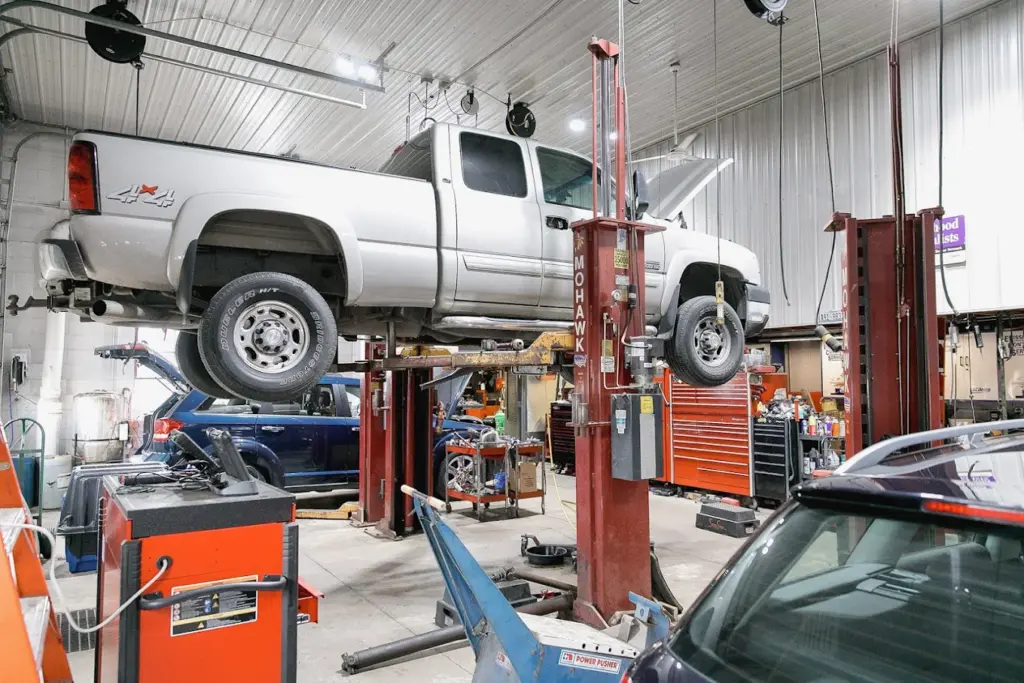
A Ram 2500 or 3500 with the 6.7L Cummins that suddenly loses power, flashes a warning and refuses to pull is in limp mode. It feels like the engine just died of old age, and the first thought is usually a four-figure repair bill. Often the engine itself is fine. Limp mode is the truck protecting itself, and on these diesels the cause is frequently the emissions system. Here is what the soot filter, the regeneration cycle and the diesel exhaust fluid system are actually doing, and what to do before you call a shop.
Why does a 6.7L Cummins go into limp mode, and is the engine damaged?
A Cummins goes into limp mode when the truck’s computer detects a condition that could hurt the engine or the emissions equipment, and it cuts power to limit the damage. The engine is usually not damaged. The most common triggers on these trucks are a diesel particulate filter that has filled with soot, a problem in the diesel exhaust fluid system, or a sensor that is reporting something the computer does not like.
That is good news and bad news. The good news is that a limp mode warning is not an automatic engine failure. The bad news is that driving on it for weeks can turn a small problem into a big one, because a clogged filter backs up exhaust, raises temperatures and puts stress on the turbo. The sooner someone reads the codes and looks at live data, the cheaper the fix tends to be.
What does the diesel particulate filter do, and why does it clog?
The diesel particulate filter traps soot from the exhaust so it does not come out of the tailpipe, and it only works if the truck can burn that soot off regularly. That burn-off is called regeneration. During a regen the truck raises exhaust temperature on purpose, and the soot turns to ash. A regen needs sustained heat, which means steady driving at a decent speed for a while.
Think about a pickup that spends its week on short trips: a drive to the shop, a run to the parts store, a quick stop for coffee. Those trips are too short for a regen to finish. Idling for long stretches does the same thing. Michigan winters make it worse, because a cold engine and cold air work against the heat the filter needs. Over time soot builds up, and the truck sets a code for a clogged filter. One of the common ones is P2463, which means soot accumulation in the filter. When the code is stored, limp mode is not far behind.
DEF and the SCR system: what changed on 2013 and newer Rams
Starting with the 2013 model year, the 6.7L Cummins in Ram heavy-duty trucks added selective catalytic reduction, which uses diesel exhaust fluid, or DEF, on top of the particulate filter and EGR system that were already there. If you drive a 2013 or newer truck, you have a DEF tank, a pump, an injector, heaters and several sensors working with the exhaust.
That adds more places for a fault to start. DEF can run low, it can be contaminated or diluted, and it can freeze. It freezes at roughly 12 degrees Fahrenheit, which a Michigan driver sees plenty of in January, and the system has heaters to deal with that. A failed heater, a bad quality sensor or a plugged injector can all trigger a power reduction. If the truck says your DEF is low or poor quality and the tank is full, the problem is probably not the fluid level. It could be a sensor or a component that is reading wrong. Ram has also put out service bulletins on DEF-related faults for these trucks, and we look for the ones that apply to your VIN.
Three myths about Cummins limp mode that cost owners money
Myth one: clear the code and keep driving. Clearing a code erases the evidence, not the cause. The truck will usually set it again, and the technician loses the stored data that points to the fault. Leave the code in place if you can and bring it in.
Myth two: it is always the particulate filter. A clogged filter is common, but it is not the only cause. The same warning can come from sensors, EGR trouble and fuel problems. Replacing the most expensive part first is how people end up paying twice.
Myth three: removing the emissions equipment is a quick fix. Removing or bypassing emissions equipment on a road vehicle violates federal law under the Clean Air Act, and the Environmental Protection Agency has an enforcement program on it. You can read about it on the EPA vehicle and engine certification pages. A proper repair keeps the system working the way the truck was built.
What should you check before calling a shop about a Ram diesel in limp mode?
A few minutes of checking can save the shop time and may save you a diagnostic charge. Look at the dash message first, because the exact wording matters. Check that the DEF gauge shows fluid and think about where the last fill came from. Think about your driving pattern: if the truck mostly does short trips, the filter probably needs a long highway run or a forced regen at the shop.
If the warning came on right after you filled up with fuel, tell the technician where you bought it, because fuel quality can cause hard starts and power loss. You can also look up open recalls for your VIN at NHTSA.gov/recalls before you come in. If the truck has been sitting in the cold, mention that too. For a truck that is blowing a lot of smoke, running rough or showing a coolant smell, do not wait. Those point somewhere other than the filter.
Expert tip: how to give a Cummins particulate filter a fair chance
When the truck tells you it is cleaning the filter, let it finish if it is safe to do so. You may notice a higher idle, the cooling fan running or a hot exhaust smell. Cutting the engine in the middle of a regen over and over keeps it from ever completing, and the soot keeps piling up. If your truck sees mostly short trips, an occasional steady highway drive of 20 to 30 minutes helps the system do its job.
Use quality fuel and keep up with oil changes, because oil that is overdue can add to soot loading. We work on diesel pickups from half-tons up through one-ton duallys, and we work with FASS Fuel Systems for owners who want to clean up their fuel supply.
Quick answers about Ram diesel limp mode
Can I drive to the shop in limp mode? Usually yes, slowly and without towing. The truck is limiting power on purpose to protect itself. If the warning says to stop, listen to it.
How long does a diagnosis take? We start with the stored codes and live data, then test the parts that match. We explain what we found before any work starts, and work starts only after you say yes.
What if it is not the filter? Then we tell you, and we show you what the data says. You can read more about our diesel repair in Hudsonville and how we approach it.
Limp mode can also change how a truck shifts, so a diesel that runs and shifts oddly at the same time gets both systems checked. If the transmission is part of the story, our transmission repair team looks at that side too.
Bring your Ram diesel to Jamestown Automotive in Hudsonville
Jamestown Automotive is at 3236 24th Ave, Hudsonville, MI 49426. Call (616) 896-9342 to schedule a diesel diagnosis. We are open Monday through Thursday from 7:00 AM to 5:30 PM and Friday from 8:00 AM to 4:00 PM, and you can ask about a loaner car when one is available or a shuttle ride while we work. Follow us on Facebook for shop news.


